Many paths · One sisterhood

Wisdom Lives
Throughout the Collective.

A sacred, welcoming space for women to share what their spiritual journeys have taught them—and to find their way home to themselves and to the Collective. Here, women of diverse beliefs and spiritual paths gather with open hearts, honoring our differences and the wisdom each of us brings.

Many paths. One sacred Circle.

Explore our circle ↓

Many paths. Mutual respect.

While we welcome women of all beliefs and spiritual paths, this is not a place to proselytize, debate whose beliefs are right, or persuade another woman that her spiritual path is wrong. Please respect and honor each woman’s freedom to find her own way.

When we hold our own truth, it often feels like an absolute truth. Yet a truth that is not shared by everyone is a sure sign that it is a relative truth.

When we open our minds and recognize that each woman’s spiritual path, and relative truth, is shaped by her own life experiences, we make room for acceptance, inclusion, and our own growth. What feels true for one may not be another woman’s truth; holding our beliefs with humility allows us to learn from one another while honoring our own understanding.

This is a space to share wisdom and experiences, explore with curiosity, ask sincere questions, and listen with respect.

Further, political viewpoints, statements, and debates belong outside this space. Our purpose here is to nurture spiritual exploration, meaningful connection, and compassionate support for one another.

To protect this welcoming space, we ask every member to honor these boundaries. Membership may be canceled when a member’s participation does not respect them.

Many paths · One sisterhood

An Invitation into the Circle

Our purpose

A Sacred Space to Gather

We were never meant to walk the spiritual path entirely alone.

For much of human history, spiritual life, and women’s lives in particular, were rooted in gathering. Our ancestors came together in circles, temples, homes, forests, sanghas and sacred communities to practice, question, remember and serve. Today, many women are awakening in solitude—trying to understand profound experiences through scattered books, videos, teachers and online spaces.

Divine Feminine Collective Wisdom exists to help change that.

Our vision is to centralize the wisdom of the Collective and create a sacred, welcoming space where women on their own spiritual journeys can find the Collective, share their wisdom, learn from one another and receive compassionate support.

In a modern world that often leaves us feeling disconnected, our intention is to return to the sacred practice of gathering in Circle—to rekindle the connection our ancestors nurtured through shared stories, wisdom and care for one another. By coming together with presence and purpose, we create a place to be heard, to belong and to remember that we do not have to walk alone.

We are stronger together. When women share wisdom, support one another, gather with purpose and act from love joined with discernment, our individual healing becomes collective service. Together, we can contribute more deeply to the healing and evolution of humanity.

At the heart of the Collective are our weekly Sunday Circles (see below).

There are no gurus, no judgment and no single path here. Women of different beliefs, spiritual traditions and lived experiences are welcome. Whether you choose to speak or simply listen, there is a place for you in the Circle.

Our growing vision

Centralize the Wisdom.
Localize the Connection.

So many Divine Feminines are already sharing their wisdom through individual blogs, websites, social media platforms and spiritual services. Just as many of us are searching for the insight, guidance and connection that wisdom can offer.

As membership grows, DFCW will bring these voices and resources together in one welcoming, searchable space—making meaningful wisdom easier to find for those seeking it, and easier to share for those who feel called to offer it.

If you are a Divine Feminine already sharing wisdom through your writing, teaching, spiritual services or Collective offerings, we invite you to join the Collective and share your work. When you join, the membership form invites you to share a link to your website, podcast or public business page, along with a brief description of your spiritual services or offerings. Once your membership is active, these optional details are automatically submitted for review—there is no need to enter the same offering again. Approved offerings appear in our searchable Collective Resources Directory. Your approved resource listing can be visible to active members even if you choose to keep your profile private in the Member Directory. If you skip these optional fields when joining or wish to share another offering later, use the Add Resource button in the directory. Together, we can help women discover voices, resources and opportunities that resonate with their individual paths. Members are also encouraged to add an upcoming related event to our Collective Events Calendar, so members can search for upcoming events nearby or online.

Our optional Member Directory will also help women find others with shared spiritual interests and connect with members nearby who wish to join or create more intimate, local circles. Each member chooses whether to participate and what information to share.

These directories will grow alongside our Collective, extending the connections that begin in our Sunday Circles.

What we mean by the Collective

Individual awakening.
Shared transformation.

The Divine Feminine Collective

The Divine Feminine Collective is not a single religion, doctrine or identity. It names both the individuals awakening to sacred feminine qualities—intuition, creativity, receptivity, compassion with discernment, truth and inner authority—and the larger field of shared consciousness created as each person heals, remembers and rises.

The energy of this time

Many within the Collective feel that humanity is moving through an accelerated period of awakening. Old patterns rooted in ego-based fear, separation, control and silence are being brought into the light, while more people are being called toward healing, discernment, authenticity, Collective and conscious creation. We welcome this as a spiritual understanding, not a belief anyone must adopt.

The Divine Masculine

The Divine Masculine is not the enemy or the lesser half in this energetic equation. In its healed expression, the Divine Masculine brings integrity, clarity, courage, protection, grounded action and sacred structure. The purpose is not for the feminine to defeat the masculine, but for the wounded expressions of both to heal and return to balance—within ourselves, our relationships and the world we create together.*

*Our future vision includes creating a corresponding sacred space—Divine Masculine Collective Wisdom—where the healthy Divine Masculine can be explored, strengthened and brought into the Collective.

Kristin Renee, founder and host of Divine Feminine Collective Wisdom
Kristin Renee · Founder & Host
Your host

Meet Kristin Renee

Kristin is a retired police detective, elected township trustee, world traveler and spiritual seeker whose awakening, and later ascension through the Twin Flame experience, brought her fully home to herself.

Over her lifetime, she has studied and immersed herself in Christianity, Paganism, Wicca and Buddhism—and spent 15 years calling herself a rather militant atheist—before finding her way back to the light in 2020.

This website grew out of her search for the next chapter of her life’s purpose—a vision that has felt divinely guided in many ways. She is excited to see what the Collective can become as women bring their wisdom, experiences and open hearts to this shared space, and grateful for the opportunity to help it take shape.

Follow Kristin Renee on Facebook

The heart of our membership

Sunday Circles: Many Paths, Shared Wisdom

Every Sunday · 4–5:30 p.m. Eastern Time
Beginning October 18, 2026 · Hosted by Kristin Renee

Each Sunday, we pause and gather on Zoom for 90 minutes of meaningful connection, exploring topics that support our personal healing, self-discovery, and individual spiritual paths. Kristin introduces a different topic and shares reflections from her own experience, then opens the Circle for members to share, ask questions, listen, and offer their wisdom.

Our Circles welcome women from different spiritual traditions, beliefs, and perspectives. Together, we learn from one another and build a network of compassionate support. You are welcome to contribute or simply listen; sharing is always your choice.

To honor the sacredness of the Circle and the trust we build together, our Sunday Zoom gatherings will not be recorded. We ask every participant to respect the privacy of others: what is shared in the Circle stays in the Circle. Please do not record, take screenshots or share another woman’s story outside the gathering.

We encourage women to join with their cameras on, as seeing one another can nurture presence, connection and a more intimate sense of gathering. Being on camera is always your choice, however. You are welcome to participate with your camera off and to share—or simply listen—in whatever way feels comfortable for you.

Members can request topics for upcoming Sunday Circles now, helping shape the conversations from the very beginning. Kristin will introduce the Sunday topics. Members are also welcome to request to lead a Sunday topic, sharing their own insights, experiences, and wisdom with the Circle. Members who wish to host a separate Zoom Circle can submit their own gathering through Member Circle Details, choosing their own date and time for review.

Join the Sunday Circle Member Circle Details

Weekly Sunday Circles are included in membership: $4.44 monthly or $44.44 annually. Zoom joining details are available to active members.

The Sacredness of the Circle

Anoushka Florence’s words speak to the spirit of gathering that inspires the Collective.

Photographed passage 1 from The Women’s Circle by Anoushka Florence
— Anoushka Florence
The Women’s Circle: How to Gather with Meaning, Intention, and Purpose
Photographed passage 2 from The Women’s Circle by Anoushka Florence
— Anoushka Florence
The Women’s Circle: How to Gather with Meaning, Intention, and Purpose
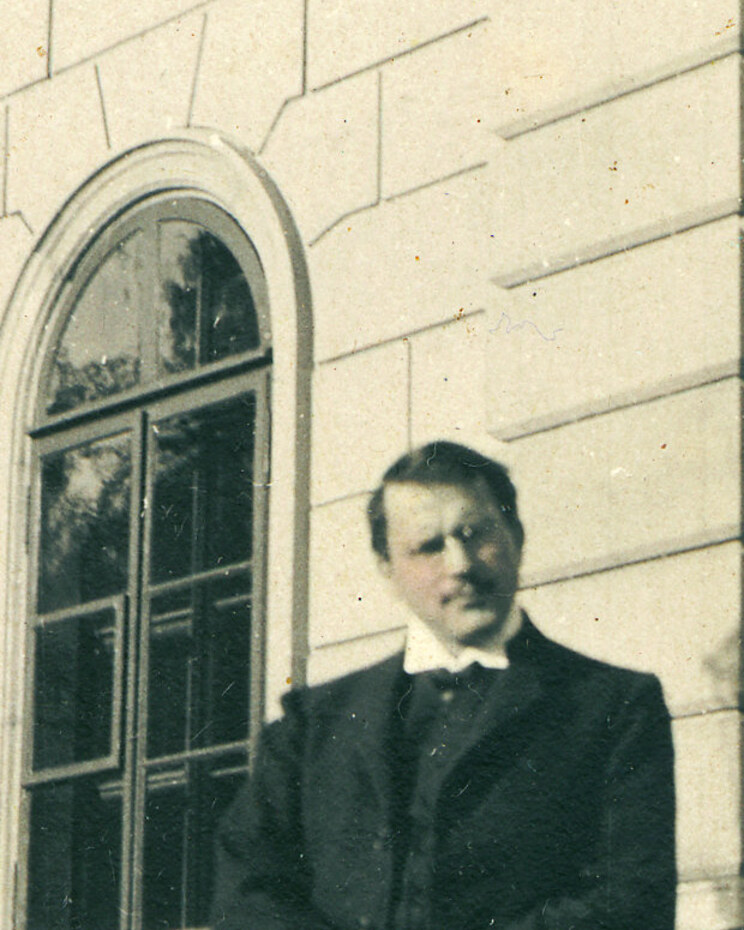
Carl Gustav Jung standing outside the Burghölzli clinic in Zurich around 1909
Carl Gustav Jung, c. 1909 · Library of Congress / public domain

A foundational voice

Carl Gustav Jung

July 26, 1875 – June 6, 1961

Carl Jung collaborated closely with Sigmund Freud from 1907 until their formal split in 1913, driven primarily by fundamental theoretical disagreements over the definition of libido, the centrality of sexuality, and the role of spirituality in the human psyche. To Jung, spirituality was a healthy, intrinsic, and necessary part of the human psyche that drove personal growth and healing.

Jung’s work gave the modern world a language for the collective unconscious, archetypes, the shadow, synchronicity and the lifelong journey toward wholeness.

His ideas offer an important bridge between psychology, spirituality, mythology and the wisdom human beings share across cultures and generations.

What we explore

Conversations that invite us deeper

01

Spiritual awakening

Stories of transformation, questioning and returning to the light.

02

Member and Guest Interviews

Honest conversations with women sharing the wisdom gained through their own journeys.

Coming soon

03

What Is…?

Curious about attachment styles, Reiki, channeling, astral projection, energy healing, chakras, or other spiritual practices and experiences?

Explore clear, thoughtful introductions to the ideas, terminology, traditions, and practices you may encounter along your spiritual path. Each guide explains what the subject is, how it is commonly understood or practiced, and important considerations to help you explore with curiosity and discernment.

04

The Collective Recommends

Explore a thoughtfully curated collection of books, documentaries, podcasts, blogs, and other resources to inform, inspire, and support you along your spiritual journey.

Browse recommendations by topic and discover different perspectives from across the Collective. No single resource holds every answer—take what resonates, question with discernment, and allow your own inner wisdom to guide you.

06

Engage with the Collective

Ask questions, share wisdom, and receive insight, experience and compassionate perspectives from the Collective. Members can also share the wisdom gained along their paths and offer support through comments, reflections, insights and inspiration offered for the good of the Collective.

Members-only access · $4.44 a month or $44.44 a year

Already a member? Log in.

Not a member?

07

Find Members & Local Circles

As membership grows, our optional Collective Directory will help you discover members who share your spiritual interests and want to connect or form local circles. Browse the profiles members choose to share and connect through private messages.

Members-only access · $4.44 a month or $44.44 a year

Already a member? Log in.

Not a member?

08

Weekly Sunday Circles & Gatherings

Gather in sisterhood via Zoom every Sunday from 4–5:30 p.m. Eastern Time, beginning October 18, 2026. Explore a different topic each week, share your wisdom, find support, and suggest future topics.

Members-only access · $4.44 a month or $44.44 a year

Already a member? Log in.

Not a member?

09

Collective Resources Directory

Explore our growing directory of meaningful resources, trusted voices, services, and offerings shared by members of the Collective. Search by location and category to discover what resonates with you.

Members-only access · $4.44 a month or $44.44 a year

Already a member? Log in.

Not a member?

10

Collective Events Calendar

Discover member-shared spiritual and mind-body events near you or online. Search by location and type of gathering, and select a calendar date to see what is happening.

Members-only access · $4.44 a month or $44.44 a year

Already a member? Log in.

Not a member?

Help shape our Sunday Circles

Suggest a Sunday Circle Topic

What topic would you like Kristin to introduce during a Sunday Circle? Share your suggestion and, if you wish, why it matters to you.

10–3,000 characters.

Your topic suggestion is sent privately to Kristin and saved for review. Suggestions help shape upcoming Circles; a particular topic or date is not guaranteed. It will not be posted publicly or subscribe you to email updates. Privacy Policy.

Your voice matters

Share Your Thoughts

Help us make the Collective more meaningful and welcoming. Choose an area, then tell us what is working, what could improve, or what you would love to see.

10–3,000 characters.

Your feedback is sent privately to DFCW and saved for review. It will not be posted publicly or subscribe you to email updates. Privacy Policy.

Wisdom worth sharing

Submit a Recommendation

Share a book, podcast, documentary, blog or other resource that has supported your journey. Tell us what it is and why you recommend it.

10–3,000 characters.

10–3,000 characters.

Your recommendation is sent privately to Kristin and saved for review before it can be added to The Collective Recommends. It will not be posted publicly or subscribe you to email updates. Privacy Policy.

Many places · One sisterhood

The Local Collectives

Our vision is to help women bring the spirit of the Collective into their own communities. Each state can become a gathering place for local events, spiritual services, Buddhist sanghas, women’s circles, study groups and new communities created by members themselves.

Local Collectives will grow at their own pace. As women step forward, individual states may eventually be organized into regions and supported by approved volunteer leaders who share DFCW’s commitment to inclusion, discernment and respect for many paths.

The Michigan Collective

Now forming

The Michigan Collective is beginning to take shape. This space will grow as members share trusted gatherings, communities, services and opportunities to connect throughout Michigan.

Events & Gatherings

Discover retreats, workshops, meditations, discussion circles and other in-person opportunities submitted by the Collective and reviewed before posting.

Sanghas, Circles & Groups

Help women find existing Buddhist sanghas, spiritual communities and women’s circles—or invite others to help form something new.

Local Services

Explore approved local practitioners and spiritual services as the statewide directory develops.

Help Lead the Collective

Women who feel called to gather and serve their local Collective may express interest in helping organize this state’s Collective.

Listings and local leadership roles will be reviewed before publication or approval. Inclusion does not constitute a guarantee of services or outcomes.

A foundational thinker

Carl Gustav Jung

Swiss psychiatrist Carl Gustav Jung founded analytical psychology and developed a body of work that continues to influence psychology, spirituality, mythology, art and the search for meaning.

The collective unconscious

Jung proposed that beneath the personal unconscious lies a deeper, shared layer of the psyche: the collective unconscious. Unlike personal memories, he believed this inherited psychological foundation contains universal patterns he called archetypes. These patterns appear across cultures in dreams, myths, symbols, stories and recurring human experiences.

This is different from the phrase collective consciousness, which generally refers to the beliefs, values and understandings shared by a society or group.

Why his work belongs here

Jung believed that becoming whole requires us to bring conscious awareness to what has been hidden or rejected within us. His ideas about the shadow, archetypes, dreams, the anima and animus, synchronicity and individuation offer powerful frameworks for exploring inner transformation with both curiosity and discernment.

Collective unconscious

Jung believed that, beneath each person’s private memories and experiences, humanity shares a deeper inherited layer of the psyche. He called this the collective unconscious—a source of universal patterns and images that appear across cultures, myths, religions and dreams.

Archetypes

Archetypes are universal patterns or symbolic roles within the collective unconscious. Figures such as the Mother, the Hero, the Trickster and the Wise Old Woman recur in stories, dreams and spiritual traditions because, Jung believed, they express fundamental human experiences rather than fixed personalities.

Anima & Animus

In Jung’s original theory, the anima is the unconscious feminine dimension within a man, while the animus is the unconscious masculine dimension within a woman. He believed that recognizing and integrating these inner figures—rather than unconsciously projecting them onto others—supports self-knowledge, healthier relationships and individuation. These gendered terms reflect Jung’s era and are often interpreted more broadly today as complementary qualities within every psyche.

The shadow

The shadow contains qualities, feelings and impulses we have rejected, hidden or learned not to identify with. Jung taught that meeting the shadow honestly—rather than denying or projecting it onto others—can lead to greater self-awareness, compassion and wholeness.

Individuation

Individuation is Jung’s term for the lifelong process of becoming a more whole and authentic self. It involves bringing conscious and unconscious parts of the psyche into relationship, moving beyond social masks and integrating both our light and our shadow.

Synchronicity

Jung used synchronicity to describe meaningful coincidences in which an inner experience and an external event feel deeply connected, even though one did not directly cause the other. He saw such moments as psychologically significant and potentially revealing, while not treating every coincidence as a message.

Dreams & symbols

Jung regarded dreams as communications from the unconscious that can reveal neglected emotions, inner conflicts and possibilities for growth. Rather than assigning every symbol one fixed meaning, he believed its significance should be explored through the dreamer’s life, associations and cultural context.

Begin exploring

This collection will grow as we add thoughtful books, talks, interviews and reflections on Jung’s work.

Spiritual awakening

Our Journeys

There is no single path to awakening. By sharing where we began, what changed us, what challenged us and what we have learned, we remind one another that even the most personal journey can hold wisdom for the Collective.

Founder story

She Remembered Who She Was and the Game Changed

I grew up in Michigan and was raised Christian in the Presbyterian church. Like most kids, it was background noise to my young mind. I hated having to get up early on Sundays to attend a “boring church service,” where the only thing I looked forward to was taking the “body and blood of Christ”—in other words, eating a little square of Wonder Bread and sipping from a tiny plastic cup of grape juice.

When I was 16, a friend from school was killed in a head-on car crash during our junior year. That was when I realized we weren’t invincible just because we were young, and I started questioning what life was all about. I turned to the only thing I knew for answers at the time: Jesus. I started attending church services with my late friend’s parents and grandmother and reading the entire Bible from page one. I was a good Christian for a couple of years; I even convinced a couple of friends to get on board.

But I began to have a lot of questions, and the answers I received did not always settle the doubt in the back of my mind. I didn’t want “blind faith” or to simply accept that “God works in mysterious ways.” I wanted concrete answers—something that felt real and made sense of why innocent 16-year-olds could be here one moment and gone the next.

I felt the urge to seek answers outside Christianity, but there was a very real and tangible fear in doing that. While I wasn’t raised in a “fire and brimstone” church, Christianity, at least as I understood it then, was the only way to Heaven. It was the only path, and all other paths were “of the devil.” I certainly didn’t want to dabble with the devil, much less burn in a lake of fire for eternity.

I struggled with my fear and doubt for several months before having my first spiritual awakening at age 18. I still remember it clearly, as though it happened yesterday. One doesn’t easily forget an experience that combines the raw emotion of despair with the undeniable peaceful presence of God.

I was alone in my apartment, crying—ugly crying, just sobbing—because I was questioning my faith. I wanted so badly to know God and seek answers, but I was also afraid of the consequences. So there I was, literally on my knees in my living room, sobbing and praying to God, or whomever was listening.

I remember saying aloud, “God, whatever you are, whoever you are—I don’t even know anymore—but please help me. Please lead me onto the right path. If I’m supposed to seek other answers, please take away my fear.”

In an instant, I felt what I can only describe as a sense of peace unlike anything I had ever experienced wash over me like a wave. I stopped crying. I felt incredibly peaceful—as if a light had switched on; it was that fast. I knew it was God, in whatever form I would eventually come to understand God, answering me. My fear disappeared in an instant and was replaced with peace.

Since my most recent and deepest spiritual awakening, I have experienced many more moments like that—more than I can count. But at the time, I had never experienced anything like it, and it was incredible. I remember calling my brother immediately afterward because I had to tell someone what had happened.

I went on to study the major world religions in college and read as many books as I could about different belief systems. I was drawn to Paganism and what some would call “New Age” spirituality, although I think that term received an undeserved reputation back in the day. My mother once found a Ouija board in my apartment and literally set it on fire. It’s okay—we laugh about it now.

By the time I was 19 and living in Chicago, I was regularly visiting psychics and tarot readers. Eventually, I joined a Wiccan coven. I completed a year-and-a-day initiation, with a workbook and lessons to finish before I was dedicated. I learned to read tarot cards myself—I still have my original deck—worked magick around the moon’s cycles and raised healing energy to send to people who needed it. I was also learning to meditate, although I struggled with it then. Now it is something I look forward to every day.

Fast-forward to around 2002. I was back in Michigan and had become a public safety officer for a city police department. We were certified firefighters as well. Life was busy. I was newly married, and children would soon make it busier. Before long, my Wiccan practice took a back seat.

Being exposed to the things that career showed me—seeing some of the worst things happen to good people—pushed it even further into the background. I started questioning again. How did any of what I was seeing make sense in a world with God, especially the God, Goddess, Spirit or Universe I had come to know and love? Where was the karma, even? Trying to make sense of abused or deceased children on a regular basis can make you question everything you have ever believed. By the time I was promoted to detective, I was calling myself agnostic and, before long, a full-on atheist.

In hindsight, I think I was a pretty annoying atheist as well—full disclosure. I was fairly militant about it. Although I remained respectful of other people’s religions and beliefs, I never turned down a healthy debate with the faithful. I liked to ask where their God was when a child was being tortured. I would have to stop myself from rolling my eyes when they told me God was in the room when it happened. Sometimes I cringe when I remember that period of my life, because now I understand what they meant.

Fast-forward again to around 2020, to the best of my recollection, when I slowly began to regain my spirituality. I was two years from retirement after an incredibly rewarding 23-year career. I was also two years into being happily divorced and single after 17 years of marriage, with two beautiful children. But my children, who were 15 and 12 at the time, were not so “happily divorced.” They struggled beneath the weight of it, and I battled the guilt of not having been able to remain longer in an unhappy marriage for their sake.

A couple of years earlier, my eldest daughter had found a box of Wiccan items I had kept from years before. I told her she could have them because I no longer practiced. But watching my children struggle brought me to my knees again.

During those years, I also encountered the aftermath of a young teenager’s suicide through my work. Sitting with a devastated family at the hospital after their child was declared brain-dead, I could barely contain my own grief. Watching my children struggle, I feared what might happen if their pain ever became more than they could bear. Not even the Zoloft my doctor had prescribed could numb that fear.

And the maladaptive coping habits I had picked up along the way only allowed me to check out temporarily. In the morning everything was still there waiting for me: the fear, the pain, the chaos that had become my life with both of my children at that point. I had been the eternal optimist my whole life. The problem solver. The Fixer. But now it felt like my children's very lives were at stake and I felt utterly powerless to fix this. I'm not sure there's a more helpless feeling in the world when it's your children. I had to sit with it all; face it head on or let it bury me.

Just as I had in my apartment so many years earlier, I found myself sobbing, broken, and asking the Universe, God or Spirit, “Why?”

That became my turning point. I slowly began rereading some of my old Wiccan books. I cannot recall how I was introduced to Thich Nhat Hanh, but I remember reading one of his books and then another, and his teachings deeply resonated with me. I spent a weekend at a Thich Nhat Hanh Buddhist monastery in Mississippi and experienced the Dharma rain there. It was powerful. I also connected with some of the other laypeople who attended that weekend—my sangha—and we stayed in touch afterward.

My most recent spiritual awakening has been by far the most powerful. I could write an entire book describing the extraordinary things that have happened since I reconnected with God, Goddess, Spirit or the Universe—whatever you choose to call it. In my opinion, it is all the same. Across each of the paths I have practiced—as a Christian, a Pagan, a Buddhist and whatever blend of them all I might call myself today—I have personally experienced what I understand as the same unconditional love of God.

In 2022, I met my Twin Flame, before I fully understood what that meant. But boy, oh boy, could I teach an entire course on it now. Our final separation came at the end of 2025 and became the catalyst for a profound period of spiritual ascension for me. The details of that experience—and of the nine months of solitude and prayer/meditation and journaling that followed—remain personal and private as I choose to honor the sacred purpose of that relationship rather than the turbulence of it. As overwhelming and difficult as the inner work was, I am immensely grateful for the lesson. It taught me that healing is not always a linear process, and to give myself compassion and grace. But most of all, it led me fully home to myself and helped me remember, at the level of the soul and across lifetimes, who I am and who I have always been. A Divine Feminine who has fully remembered her worth and chosen not to let the pain harden her heart, diminish her compassion, or dim her spirit—remaining open to love and trusting in what the Universe has yet to unfold for her.

I’ll sum up my journey with a saying commonly attributed to Pierre Teilhard de Chardin: “We are not human beings having a spiritual experience. We are spiritual beings having a human experience.” And with my absolute favorite words from Lalah Delia: “She remembered who she was and the game changed.”

A growing spiritual glossary

What Is…?

Explore these thoughtful introductions to spiritual ideas, practices and experiences.

What Is Spiritual Awakening?

Spiritual awakening is a broad term for a meaningful shift in how a person understands the self, life and connection to something larger. It may unfold gradually through contemplation and practice or arrive suddenly through love, loss, crisis, wonder or an experience that challenges a person’s former worldview.

People often describe greater awareness, changing values, heightened intuition, a sense of interconnectedness or a desire to live more truthfully. Awakening is not one fixed event or a single path, and periods of clarity may alternate with uncertainty and integration.

What Is Ascension?

Ascension has different meanings across religions and spiritual traditions. In contemporary spiritual language, it commonly describes an ongoing process of expanding consciousness, releasing limiting patterns and becoming more aligned with love, truth, inner wisdom and a sense of connection to the Divine or to all life. It is often understood not as leaving the physical world, but as learning to embody greater awareness within everyday life.

Ascension is closely related to spiritual awakening, although some people distinguish awakening as the initial recognition or shift and ascension as the continuing work of healing, integration and conscious living that follows.

What Is Intuition?

Intuition is a sense of knowing or recognizing something without consciously working through each step of the reasoning. Psychologically, it may arise from rapid pattern recognition, accumulated experience and subtle cues noticed outside conscious awareness. Spiritually, some people understand intuition as guidance from the higher self, the Divine or a deeper field of wisdom.

Intuition can be meaningful, but it is not infallible. Fear, desire, past trauma and personal bias can also create powerful inner impressions. And it’s important to learn to distinguish intuition from anxiety.

What Is Spiritual Discernment?

Spiritual discernment is the practice of carefully evaluating teachings, experiences, inner guidance and the people who claim spiritual authority. It brings intuition into conversation with reason, lived experience, ethical values and reliable information. Discernment asks not only, “Does this resonate?” but also, “Is it truthful, responsible, compassionate and safe?”

Healthy spiritual guidance respects consent, personal agency, questions and appropriate professional care. Warning signs may include pressure to act urgently, demands for secrecy or unquestioning loyalty, claims that one teacher alone holds the truth, attempts to isolate someone from loved ones, escalating financial demands or using spirituality to excuse harmful conduct. Discernment is not cynicism; it is wisdom joined with compassion.

What Is Grounding?

Grounding refers to practices that help a person return attention to the present moment, the physical body and the immediate environment. Common methods include feeling the feet against the floor, slowing the breath, naming what the senses perceive, spending time in nature, eating nourishing food, moving the body and maintaining ordinary routines.

In spiritual communities, grounding may also be described as stabilizing or reconnecting one’s energy with the Earth. Whatever framework a person uses, the practical purpose is to restore steadiness when emotions, spiritual practices or unusual experiences feel overwhelming.

What Is Meditation?

Meditation is a broad family of practices that cultivate attention, awareness, compassion or contemplative insight. A person might focus on the breath, repeat a prayer or mantra, observe thoughts and sensations, practice loving-kindness, visualize, walk mindfully or rest in open awareness. Meditation appears in many religious traditions and is also practiced in secular settings.

The goal is not necessarily to stop thinking. More often, meditation changes how we relate to thoughts by noticing them without automatically following or judging them. Research suggests that some forms may offer benefits for stress, anxiety and well-being.

What Is Synchronicity?

Synchronicity is Carl Jung’s term for a meaningful coincidence: two or more events that are not known to be causally connected yet feel deeply related in meaning. Examples might include encountering a symbol repeatedly during a major life transition or thinking of someone shortly before hearing from her.

A synchronicity can invite reflection and may feel spiritually significant, but it does not by itself prove that the universe has delivered a particular instruction or prediction. Human minds naturally notice patterns, especially those connected to our hopes and concerns. Discernment means remaining open to meaning while also considering coincidence, confirmation bias and ordinary explanations—and never allowing a perceived sign to override safety, consent or sound judgment.

What Is Manifestation?

Manifestation is the practice or belief that focused intention, thought, emotion and spiritual alignment can help bring desired experiences into one’s life. Practices may include visualization, prayer, affirmations, journaling, gratitude and taking purposeful action toward a goal. For many people, manifestation provides clarity about what they value and helps direct attention and effort.

There is evidence that clear goals, constructive expectations and consistent action can influence behavior, but thoughts alone do not guarantee events or give anyone complete control over circumstances. Illness, loss, injustice and hardship are not proof that someone “manifested incorrectly.” A grounded approach combines intention with action, flexibility, ethical responsibility and compassion for realities no individual can control.

What Is Divination?

Divination is an umbrella term for practices that seek insight or guidance through symbols, patterns or ritual methods. Tarot and oracle cards, runes, pendulums, the I Ching, scrying and forms of astrology have all been used for divinatory purposes in different cultural and spiritual settings.

Some practitioners understand divination as communication with the Divine or unseen realms; others use it as a reflective tool that brings intuition and unconscious concerns into view. Divination has not been scientifically established as a reliable way to predict future events. It is healthiest when it supports reflection and personal agency rather than creating fear, dependency or unquestioned authority over medical, legal, financial or relationship decisions.

What Is Mediumship?

Mediumship is the claimed ability or practice of communicating with people who have died. A medium may describe receiving words, images, sensations, emotions or impressions believed to come from the deceased. Mediumship overlaps with channeling, but channeling may involve a wider range of perceived sources, while mediumship specifically concerns communication with the dead.

Many people seek mediumship during grief and may find a reading comforting, but it’s always important to use discernment. Grief can make people especially vulnerable to suggestion or exploitation. Ethical practitioners avoid guarantees, fear-based claims and financial dependency, and a reading should never replace grief counseling, mental-health care or a person’s own judgment.

What Are Spirit Guides?

Spirit guides are understood in many contemporary spiritual beliefs as nonphysical helpers who offer protection, teaching or guidance. Depending on the tradition, people may speak of ancestors, angels, animal spirits, ascended teachers or other benevolent presences. These ideas arise from different cultural and religious contexts and should not be treated as though they are all identical.

People may seek guidance through prayer, meditation, dreams, ritual or intuitive impressions. Any perceived guidance deserves discernment: messages that demand harm, secrecy, isolation, costly obedience or violations of another person’s boundaries should not be treated as trustworthy spiritual instruction.

What Are Numerology and Angel Numbers?

Numerology is a symbolic system that assigns meaning to numbers associated with names, birth dates and life events. Angel numbers are repeating or noticeable sequences—such as 111, 444 or 11:11—that some people interpret as spiritual encouragement, guidance or confirmation. Specific interpretations vary among teachers and are not universal.

What Is a Twin Flame?

A Twin Flame is a spiritual concept describing two people believed to share one soul—or to mirror one another so powerfully that the relationship catalyzes awakening, healing and personal transformation. Teachings often describe intense recognition, triggering, periods of separation and, in some versions, eventual reunion.

Twin flame relationships can involve intense emotional highs and lows, conflict, or volatility, particularly when one or both partners are carrying unresolved emotional wounds. These patterns can sometimes become unhealthy or toxic. Intensity is not proof of destiny, and a spiritual label should never be used to excuse abuse, manipulation, obsession, repeated boundary violations or unwanted pursuit. A healthy relationship requires consent, reciprocity, honesty and safety. Sometimes the deepest growth associated with a relationship comes through releasing it, honoring separation and returning fully to oneself.

What Is Reiki?

Reiki is a complementary healing practice that originated in Japan. During a session, a practitioner places her or his hands lightly on—or just above—the recipient’s clothed body. Practitioners understand Reiki as a way of allowing universal life-force energy to flow where it is needed, supporting balance, relaxation and the body’s natural capacity for healing. It is best approached as a supportive wellness practice, not as a replacement for medical or mental-health care.

Many people describe Reiki sessions as calming, comforting or emotionally restorative.

What Is Channeling?

Channeling is the practice of opening oneself to receive impressions, words or guidance believed to come from a source beyond ordinary conscious thought. Depending on a person’s beliefs, that source may be described as a spirit guide, a departed loved one, higher consciousness, divine wisdom or the person’s own higher self. The message may be spoken, written or received through images, sensations and intuitive knowing. Receive any message with discernment, and never allow it to replace qualified medical, legal, financial or mental-health guidance.

Some people view channeling as spiritual communication; others understand it as imagination, intuition or material arising from the subconscious.

What Is Astral Projection?

Astral projection is the intentional experience or spiritual belief that one’s awareness—or an “astral body”—can separate from the physical body and travel beyond it. People commonly describe viewing themselves from above, moving through unfamiliar places or feeling vividly present somewhere else while asleep, meditating or deeply relaxed.

These accounts are often discussed alongside out-of-body experiences, lucid dreams and sleep paralysis.

What Is Astrology?

Astrology is a symbolic tradition that studies the positions and movements of the Sun, Moon, planets and other celestial points and interprets them as reflecting patterns in human personality, relationships and life experience. A birth—or natal—chart maps the sky for a person’s exact date, time and place of birth. Astrologers interpret its zodiac signs, planets, houses and aspects as a language of archetypes, tendencies and possibilities rather than a single predetermined fate.

Many people use astrology for self-reflection, spiritual exploration and considering the timing of important life themes. Different traditions—including Western, Vedic and Chinese astrology—use different systems and should not be treated as interchangeable. Astrology is distinct from astronomy, and scientific testing has not established that astrological interpretations reliably predict personality or events. It is healthiest to use a reading as an invitation to reflect—not as unquestionable authority or a replacement for personal judgment.

What Is Energy Healing?

Energy healing is an umbrella term for practices based on the belief that a subtle life energy moves through and around the body and that balance within this energy supports well-being. Reiki, Healing Touch, Therapeutic Touch and some forms of qigong are commonly included. Methods vary and may involve hands-on or hands-near-the-body work, breath, sound, visualization or focused intention.

People may seek energy healing for relaxation, reflection, emotional support or a sense of spiritual connection.

What Are Chakras?

Chakras are centers of subtle energy described in several Hindu and Buddhist tantric traditions. The Sanskrit word chakra means “wheel.” Traditional systems differ in the number, location and meaning of the chakras; the familiar modern Western model describes seven principal centers extending from the base of the spine to the crown of the head.

In contemporary spiritual practice, each chakra is often associated with particular emotional, physical and spiritual themes. Meditation, yoga, breathwork, sound and visualization may be used to explore balance within them.

What Is Kundalini Awakening?

In some Hindu, tantric and yogic traditions, Kundalini is described as a dormant spiritual power—often symbolized as a coiled serpent—resting near the base of the spine. A Kundalini awakening refers to this energy becoming active and moving through the body’s central channel and chakras, bringing expanded awareness and inner transformation.

Reported experiences may include heat, vibration, spontaneous movement, intense emotion, vivid insight or altered states of consciousness. Traditional teachings often emphasize preparation, grounding and experienced guidance because the process can feel powerful or destabilizing.

What Are the Akashic Records?

The Akashic Records are understood in Theosophical and many New Age traditions as a nonphysical field or archive containing the history of every soul, thought, action and possibility. The word akasha comes from Sanskrit and can refer to space, ether or the subtle substance believed to underlie existence.

Those who work with the Records may seek access through prayer, meditation, visualization or a trained reader in hopes of gaining insight into recurring patterns, relationships or life direction.

What Is Shadow Work?

Shadow work is the intentional exploration of parts of ourselves that have been rejected, hidden or pushed outside conscious awareness. The idea is associated with psychologist Carl Jung’s concept of the “shadow.” It may include traits, emotions, needs and gifts we learned were unacceptable, as well as patterns we find easier to see in others than in ourselves.

Practices may include journaling, noticing triggers, examining projections, compassionate self-inquiry and working with a therapist. The goal is not to shame or eliminate the shadow, but to bring unconscious material into awareness so it can be understood and integrated. Deep trauma work can be overwhelming and is best undertaken with an appropriately trained, licensed professional.

What Is Generational Trauma?

Generational trauma refers to the lasting effects of traumatic experiences that can influence families across generations. These effects may appear in learned beliefs, emotional responses, relationship patterns, or ways of coping—even among those who did not experience the original trauma.

Recognizing these patterns can open a path toward healing. With compassion, support, and greater awareness, we can begin to change what we carry forward and nurture a different legacy for ourselves and future generations.

Many believe that when we heal ourselves, we help heal generational trauma—breaking cycles that might otherwise pass to our children, their children, and the generations that follow. Some people also believe that this healing extends to the generations that came before us, offering healing to our ancestral line.

What Is a Dark Night of the Soul?

“The dark night of the soul” comes from the writings of the 16th-century Christian mystic St. John of the Cross. In its original context, it described a difficult stage of spiritual purification in which familiar certainty, comfort and attachment fall away, allowing a deeper relationship with the Divine to emerge.

Today the phrase is used more broadly for a spiritual crisis marked by loss of meaning, identity or connection. Although such a passage may eventually lead to transformation, it should not be used to romanticize suffering or dismiss depression. If despair is persistent, daily life becomes unmanageable or thoughts of self-harm appear, seek immediate professional help; in the United States, call or text 988.

What Is Quantum Physics?

Quantum physics is the branch of science that describes matter, light and energy at atomic and subatomic scales. It includes well-tested ideas such as quantized energy, wave-particle behavior, superposition, uncertainty and entanglement. Although quantum behavior can seem counterintuitive, quantum theory is supported by extensive experiments and underlies technologies including lasers, semiconductors and modern medical imaging.

In spiritual teachings, quantum ideas have inspired reflections on possibility, interconnectedness and the nature of reality. Deepak Chopra has explored these themes alongside the belief that consciousness is fundamental to existence. His more recent writing distinguishes this spiritual perspective from the findings of physics, inviting us to explore consciousness through philosophy, meditation and personal experience while appreciating quantum physics for what it reveals about the physical universe.

What Are Attachment Styles?

Attachment styles describe patterns in how we experience closeness, trust, independence and emotional support in important relationships. Early caregiving and later relationship experiences can influence these patterns. Four commonly discussed adult styles are:

  • Secure: Generally comfortable with closeness and independence, able to ask for support and communicate needs while respecting a partner’s needs.
  • Anxious (or anxious-preoccupied): May worry about rejection or abandonment, seek frequent reassurance and feel especially unsettled by distance or uncertainty.
  • Dismissive-avoidant: May rely strongly on self-sufficiency, find emotional dependence uncomfortable and withdraw or minimize needs when closeness feels overwhelming.
  • Fearful-avoidant: May want connection while also fearing it, moving between seeking closeness and pulling away. This is sometimes called disorganized attachment in popular discussions, although adult and childhood attachment classifications are not identical.

How this can help you understand your relationship: Attachment theory offers a way to notice what happens when you or your partner feels disconnected or unsure of the bond. For example, one person may seek more reassurance while the other withdraws, creating a cycle that leaves both feeling misunderstood. Recognizing the pattern can help you express needs clearly, listen with compassion and discuss how to balance connection with space.

These styles are a framework for reflection, not diagnoses or fixed identities. Researchers often study attachment along dimensions of anxiety and avoidance rather than four rigid boxes. Patterns can vary between relationships and change with new experiences and therapeutic support. Use this understanding to open a conversation rather than label your partner or excuse harmful behavior.

Take the Attachment Style Test — The Attachment Project

These guides are educational and reflective. They do not provide medical, mental-health, legal or financial advice.

Resources for the journey

The Collective Recommends

This beginning library brings together respected, widely read and thought-provoking resources from spiritual, psychological and scholarly perspectives. Open a topic to explore the collection. Inclusion is not a paid endorsement, and readers are always encouraged to bring their own discernment.

Spiritual Awakening

Book

The Power of Now

Eckhart Tolle explores presence, freedom from compulsive thought and the difference between awareness and the stories we tell about ourselves. A foundational modern introduction to awakening through present-moment consciousness.

Book

The Untethered Soul

Michael A. Singer invites readers to observe the inner voice without being ruled by it. Clear, approachable chapters connect self-awareness, surrender and inner freedom.

Book

The Seven Spiritual Laws of Success

Deepak Chopra presents seven concise principles for living with greater purpose, ease and alignment. Its short, reflective chapters connect spiritual awareness with everyday choices and intentions.

Podcast

Spiritual Journey: Path to Awakening

Hosted by Nimesh Radia, this conversational podcast explores awakening, life purpose, spirit guides, the Akashic Records and other aspects of the spiritual journey. Its accessible discussions are intended to make spirituality feel easier to understand and apply.

Have something to add? Recommend a book, podcast, documentary, article or other resource for this collection. Submissions are reviewed before they are added.

Twin Flames

Book

Find Your Twin Flame

Leslie Sampson offers an accessible introduction to the spiritual understanding of twin flames, including their history, common terminology and relationship to personal growth. Read it as one author’s spiritual framework rather than established fact.

Documentary series

Escaping Twin Flames

This three-part Netflix series examines allegations surrounding one commercial twin-flame organization. It is included as an important counterpoint—and a reminder that no spiritual teacher should demand obedience, isolation, financial dependence or the surrender of personal boundaries.

Book

Twin Flame Awakening 11:11

Silvia Moon offers a personal, beginner-friendly exploration of awakening through the twin-flame experience, including separation, healing, surrender and spiritual transformation.

Have something to add? Recommend a book, podcast, documentary, article or other resource for this collection. Submissions are reviewed before they are added.

Astrology

Book

Astrology: Using the Wisdom of the Stars in Your Everyday Life

Carole Taylor offers a clear, beautifully illustrated introduction to birth charts, zodiac signs, planets, houses and aspects. Taylor is a fellow and Director of Studies at the Faculty of Astrological Studies, and her accessible approach makes this an especially welcoming place for beginners.

Book

The Inner Sky

Steven Forrest teaches the foundations of signs, planets and houses through an empowering, choice-centered approach rather than fatalistic prediction. First published in 1984, it remains a frequently recommended modern astrology primer.

Podcast

The Astrology Podcast

Hosted by Chris Brennan, this long-running educational program explores astrology’s history, philosophy and techniques through detailed conversations with practitioners and researchers. Its extensive archive is best approached by choosing beginner episodes before progressing to technical material.

Have something to add? Recommend a book, podcast, documentary, article or other resource for this collection. Submissions are reviewed before they are added.

Divine Feminine and Divine Masculine

Book

Women Who Run with the Wolves

Clarissa Pinkola Estés uses myths and stories from many traditions to explore the instinctive, creative and resilient dimensions of women’s inner lives. Rich, layered reading for reconnecting with the “Wild Woman” archetype.

Book

The Chalice and the Blade

Riane Eisler examines partnership and domination across culture and history. Her framework offers a thoughtful way to consider feminine and masculine balance beyond simplistic gender roles.

Have something to add? Recommend a book, podcast, documentary, article or other resource for this collection. Submissions are reviewed before they are added.

Intuition and Discernment

Book

Trust Your Vibes

Sonia Choquette presents practical exercises for noticing intuitive impressions and becoming more attentive to inner guidance. Best paired with grounded observation and a willingness to question first interpretations.

Book

The Gift of Fear

Gavin de Becker explains how observable warning signs and instinct can work together in personal safety. It provides a valuable bridge between intuition and evidence-based discernment.

Book

How to Read the Akashic Records

Linda Howe introduces her Pathway Prayer Process for approaching the Akashic Records as a source of reflection, spiritual insight and personal authority. The material represents a spiritual practice rather than scientifically verified access to an external archive.

Book

Opening to Channel

Sanaya Roman and Duane Packer provide a step-by-step framework for connecting with a guide or higher self. Readers are encouraged to pair openness with discernment and to regard received messages as subjective spiritual material—not unquestionable authority.

Have something to add? Recommend a book, podcast, documentary, article or other resource for this collection. Submissions are reviewed before they are added.

Energy Healing and Reiki

Book

Reiki: A Comprehensive Guide

Pamela Miles gives a thorough, practical overview of Reiki practice, its principles and its use as complementary care. A useful foundation for someone who wants more than a brief introduction.

Book · Complete practice guide

Reiki for Life (Updated Edition)

Penelope Quest offers a comprehensive and approachable guide for beginners, experienced practitioners and teachers. It explores Reiki's history and development in Japan and the West, self-practice, working with others, the different levels of Reiki and ways to deepen one's spiritual practice.

Have something to add? Recommend a book, podcast, documentary, article or other resource for this collection. Submissions are reviewed before they are added.

Meditation and Mindfulness

Book

Wherever You Go, There You Are

Jon Kabat-Zinn offers a warm, practical introduction to bringing mindfulness into ordinary life. The short chapters make it especially welcoming for beginners.

Animated series

Headspace Guide to Meditation

Eight approachable episodes explain different meditation methods and end with a guided practice. A gentle, visual starting point for people who are unsure how to begin.

Book

Living in the Light: Yoga for Self-Realization

Deepak Chopra and Sarah Platt-Finger present yoga as a philosophy and practice for expanding awareness—not simply physical exercise. The book combines accessible teaching with illustrated poses and contemplative practices.

Podcast

The Way Out Is In

Brother Pháp Hữu and Jo Confino bring the teachings of Zen Master Thich Nhat Hanh into everyday life through conversations about mindfulness, suffering, compassion, Collective and engaged Buddhism. Many episodes also include practical reflections or guided meditation.

Have something to add? Recommend a book, podcast, documentary, article or other resource for this collection. Submissions are reviewed before they are added.

Consciousness and the Nature of Reality

Book

The Conscious Mind

David J. Chalmers examines why subjective experience remains difficult to explain through physical processes alone. This is a demanding but influential philosophical treatment of consciousness.

Series and podcast

Closer to Truth

Host Robert Lawrence Kuhn brings scientists, philosophers and theologians into serious conversation about consciousness, cosmology, God and meaning—offering multiple viewpoints rather than one prescribed answer.

Investigative podcast

The Telepathy Tapes

Filmmaker Ky Dickens explores reports of unusual communication and possible telepathy among some nonspeaking autistic people, expanding into broader questions about consciousness and human connection. The series is compelling and widely discussed, but its central claims and some featured communication methods remain scientifically disputed; listeners are encouraged to approach it as an investigation rather than settled evidence.

Documentary · 2020

Superhuman: The Invisible Made Visible

Writer, director and producer Caroline Cory examines individuals said to possess extrasensory abilities through experiments and demonstrations exploring consciousness, perception and the possible relationship between mind and matter. The film offers a provocative investigation of human potential; its conclusions reflect the filmmakers’ interpretation, and several of its central claims remain outside established scientific consensus.

Have something to add? Recommend a book, podcast, documentary, article or other resource for this collection. Submissions are reviewed before they are added.

Shadow Work and Inner Healing

Book

Owning Your Own Shadow

Robert A. Johnson offers a concise Jungian introduction to the disowned parts of the psyche and the work of bringing them into conscious relationship.

Book

No Bad Parts

Richard C. Schwartz introduces Internal Family Systems and a compassionate way to understand protective inner “parts.” It complements shadow work with a structured therapeutic model; it is educational, not a substitute for personal therapy.

Podcast

Mayim Bialik’s Breakdown

Mayim Bialik and Jonathan Cohen combine candid personal conversations with interviews spanning mental health, neuroscience, emotional healing, spirituality and consciousness. The range of guests invites curiosity while giving listeners multiple ways to think about well-being and the inner life.

Have something to add? Recommend a book, podcast, documentary, article or other resource for this collection. Submissions are reviewed before they are added.

Ancient Wisdom and Spiritual Traditions

Book

The World’s Religions

Huston Smith provides an accessible introduction to the central teachings and lived spirit of major religious traditions. A respected starting point for learning across paths.

PBS documentary series

Joseph Campbell and the Power of Myth

In six conversations with Bill Moyers, mythologist Joseph Campbell explores recurring symbols and stories across cultures—and how ancient myths continue to shape modern lives.

Book

Zen and the Art of Saving the Planet

Thich Nhat Hanh connects Buddhist teachings on interbeing and mindfulness with compassionate action for the Earth. It reframes planetary healing as beginning with a transformation in consciousness.

Have something to add? Recommend a book, podcast, documentary, article or other resource for this collection. Submissions are reviewed before they are added.

Relationships, Boundaries and Sovereignty

Book

Set Boundaries, Find Peace

Nedra Glover Tawwab, a licensed therapist, explains how to identify, communicate and maintain healthy limits. Direct, practical and especially useful for people who confuse compassion with self-abandonment.

Book

The Book of Boundaries

Melissa Urban provides more than 100 ready-to-use scripts for setting limits with family, partners, friends and coworkers. A practical resource for turning inner authority into clear language.

Book

The Four Agreements

Don Miguel Ruiz offers four memorable commitments for reducing self-limiting beliefs and living with greater integrity, awareness and personal freedom. Its simple language makes the principles easy to revisit and practice.

Book

The Art of Communicating

Thich Nhat Hanh teaches mindful listening, loving speech and communication rooted in presence and compassion. A particularly useful guide for bringing spiritual practice into relationships and difficult conversations.

Have something to add? Recommend a book, podcast, documentary, article or other resource for this collection. Submissions are reviewed before they are added.

This is a living library. Recommendations may expand or change as the Collective reviews additional resources.

Inside the Collective

What Does Membership Include?

Membership begins with a weekly Sunday Circle: 90 minutes of shared wisdom, learning, and support with Kristin Renee and women from different beliefs and spiritual paths. Our online spaces and growing directories extend those connections between gatherings.

Inside the Collective

What Your Membership Includes

Membership begins with a weekly Sunday Circle: 90 minutes of shared wisdom, learning, and support with Kristin Renee and women from different beliefs and spiritual paths. Our online spaces and growing directories extend those connections between gatherings.

Accessible by intention

A small commitment to a thoughtfully protected space

DFCW membership is intentionally modest at $4.44 per month or $44.44 annually, and we are committed to keeping it affordable and accessible as the Collective grows. The membership fee is not intended to make the Collective exclusive; instead, it asks each woman to make a small, conscious commitment to the space she is entering.

By keeping Collective conversations within a members-only environment, DFCW can better protect the sacredness of the space from spam, trolling and casual public commentary while encouraging greater accountability, sincerity and respect among those who gather here. The intention is not exclusion—it is thoughtful stewardship of the Collective built upon trust.

  1. Weekly Zoom Circles

    Gather every Sunday from 4–5:30 p.m. Eastern Time, beginning October 18, 2026, at no additional cost beyond membership. Kristin introduces a different topic and shares reflections from her experience, then invites members to share, ask questions, offer wisdom, or simply listen. Members can suggest topics for upcoming Sunday Circles and submit separate member-hosted Zoom gatherings for review.

  2. A Private, Sacred Members-Only Space

    Enter a welcoming space created for honest sharing, compassionate support, spiritual learning and meaningful conversation. Members from many traditions and lived experiences can explore, reflect and grow without judgment or pressure to follow any single path.

  3. Meaningful Collective Connection

    Through engagement with the Collective, members can ask questions, share personal insights and experiences, offer encouragement and take part in thoughtful conversations with women walking a variety of spiritual paths. Members can also share anonymously in “Release it to the Circle and let it go”—a dedicated discussion space to express what is weighing on their hearts, feel heard, and receive compassionate support from the Collective.

  4. A Searchable Collective Resources Directory and Events Calendar

    Explore a growing directory of Reiki practitioners, tarot readers, energy healers, spiritual coaches and other service providers. Search by location, category or keyword to find resources that resonate with you. Listed providers must be active members of the Collective. Listings are reviewed for their relevance to our shared purpose and may be reconsidered if concerns arise within the Collective.

  5. A Voice in the Growth of DFCW

    Help shape what the Collective becomes. Members can recommend books, podcasts, documentaries and other resources; suggest future conversations and Zoom topics; share ideas for new features; and tell us what would make the Collective more meaningful and supportive.

  6. Member Connections and Local Circles

    Connect with other members through our optional Collective Directory—whether nearby or across the country. Discover women who share your spiritual interests, have wisdom or experiences to exchange, or are interested in joining or forming a local circle. Explore the profiles members choose to share and reach out through private messages to begin a meaningful connection. Participation in the directory is always optional, allowing each woman to choose the level of visibility and connection that feels right for her.

Practitioner services are offered independently and are not included in the cost of DFCW membership. Members choose whether to contact a provider and are responsible for any separate service fees.

Come into the circle

Be part of what we’re creating.

Receive news about new conversations, guest stories, gatherings and opportunities to participate.

Free email updates. Confirm your subscription in your inbox. Unsubscribe at any time. By subscribing, you agree to receive Collective updates. Privacy Policy. Newsletter signup does not create a paid membership.
Find the Collective

Continue the conversation